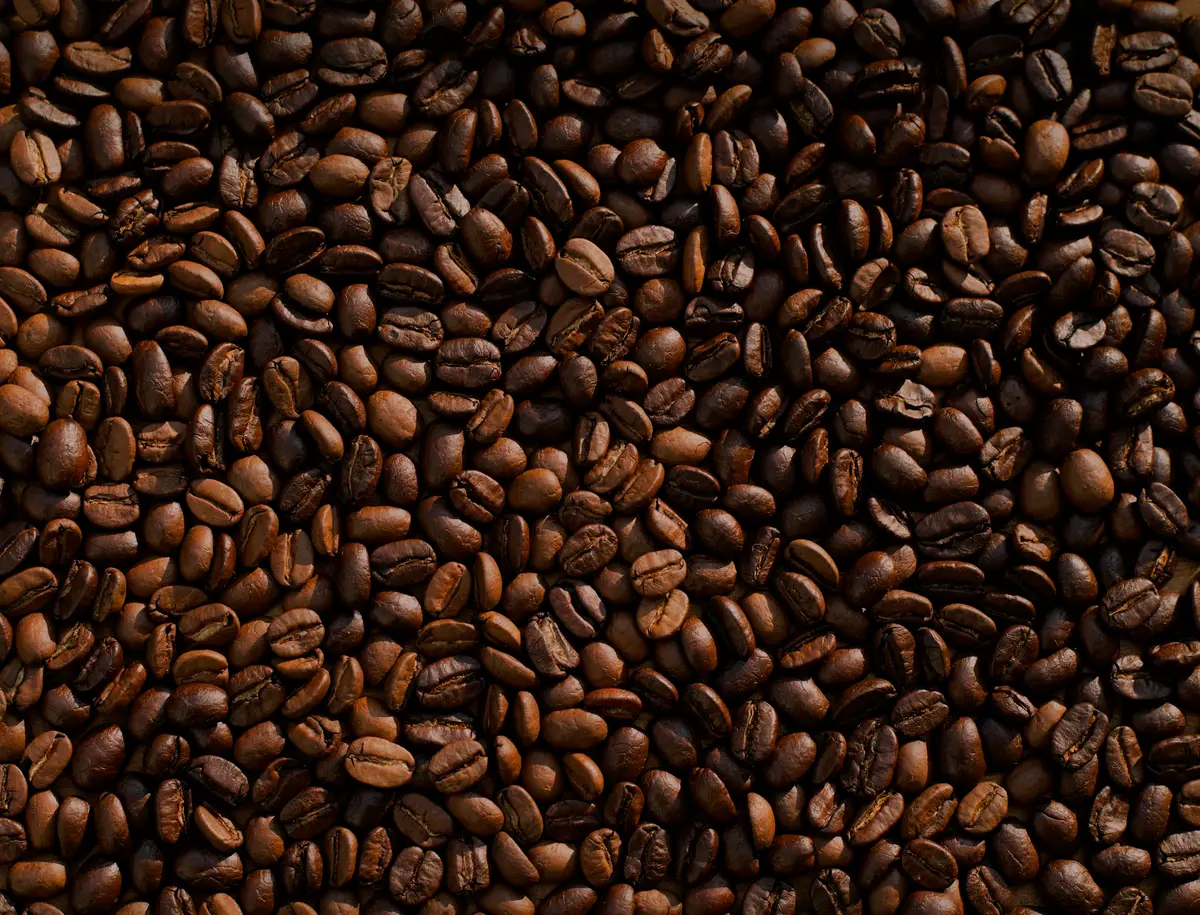
Roasting turns green coffee seeds into the brown beans we brew. The longer and hotter the roast, the darker the bean, and the more the flavour shifts from the coffee’s origin towards the flavours of roasting itself.
| Light | Medium | Dark | |
|---|---|---|---|
| Flavour | Fruity, floral, bright | Balanced, caramel, nutty | Chocolate, smoky, bitter-sweet |
| Acidity | Higher | Moderate | Low |
| Body | Lighter | Medium | Heavier |
| Surface | Dry | Mostly dry | Often oily |
Which roast for which brewer
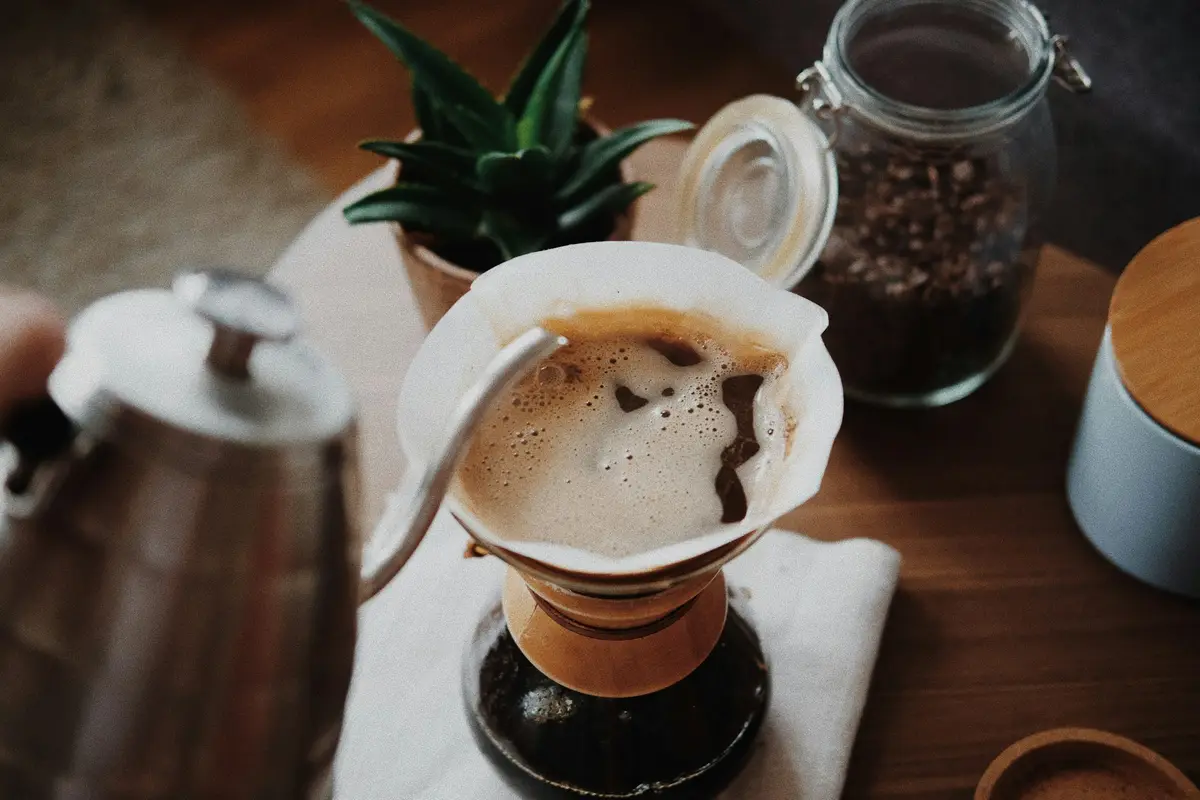
- Pour-over and AeroPress: light and medium roasts show their character best.
- Espresso: medium and medium-dark roasts are easiest to get tasting good, especially with milk.
- French press and cold brew: medium to dark roasts give rich, chocolatey results.
- Drip machines: medium roasts are the most forgiving.
Brewing tips by roast
- Light roasts are dense and harder to extract: use hotter water, near 96 °C, and a slightly finer grind.
- Dark roasts extract easily: use slightly cooler water, around 88–91 °C, to avoid bitterness.
- Oily dark roasts clog grinders faster, so clean your grinder more often.
More on temperature:Water temperature guide
Fresh grinding matters for every roast: The Best Coffee Grinders for HomeRead the guide