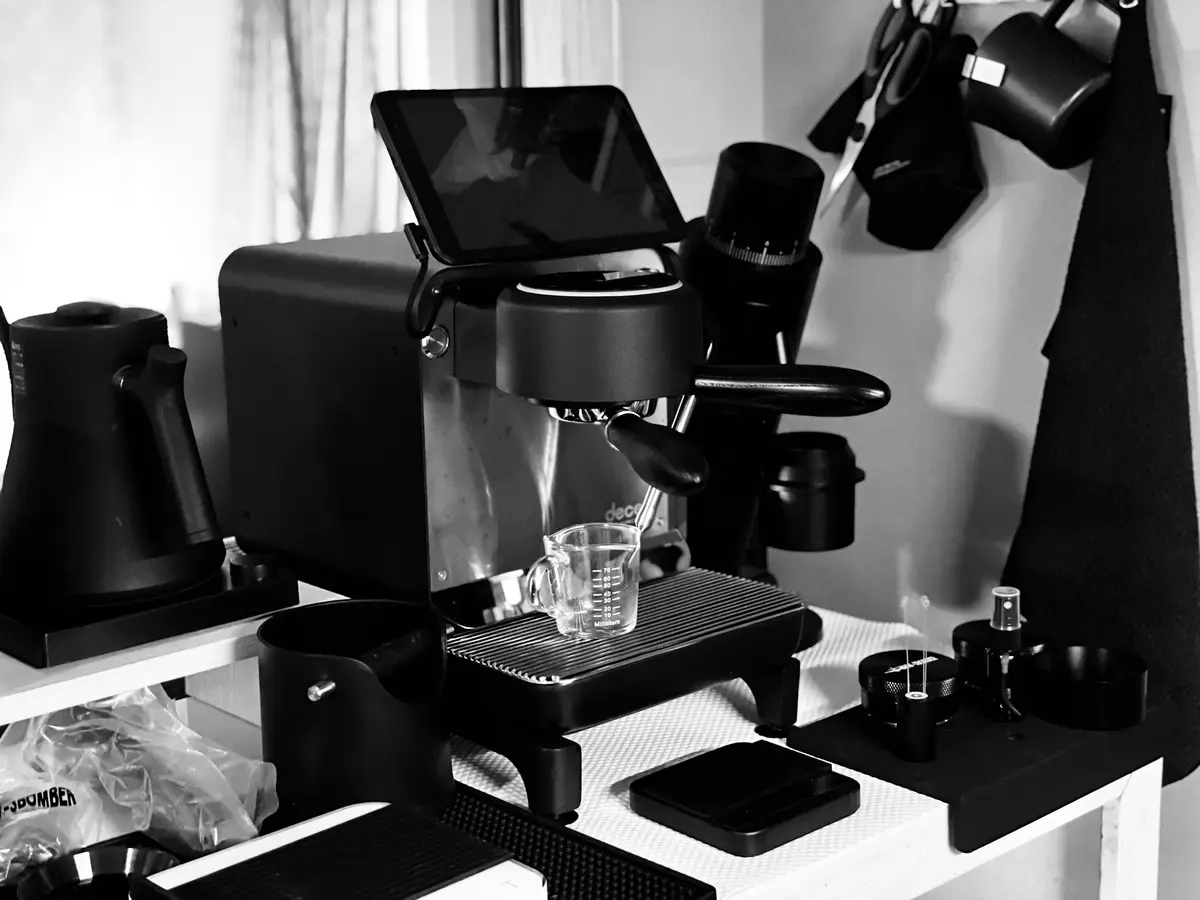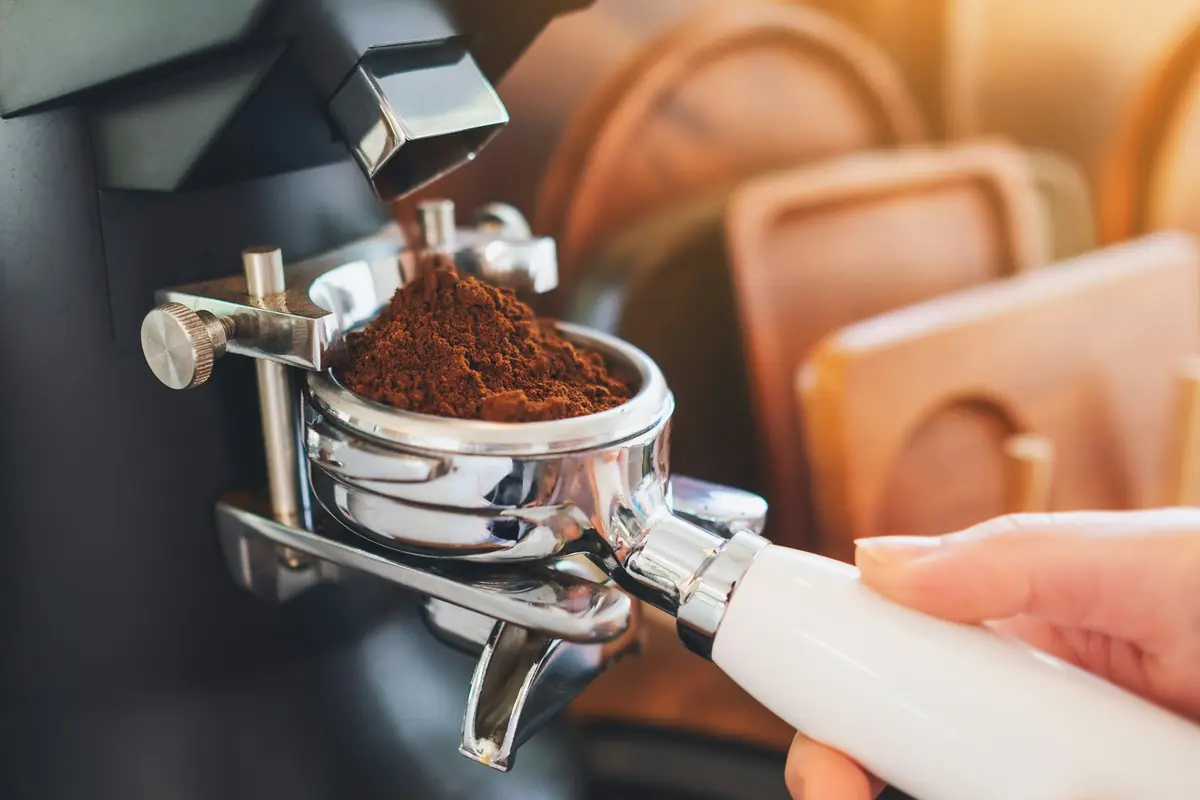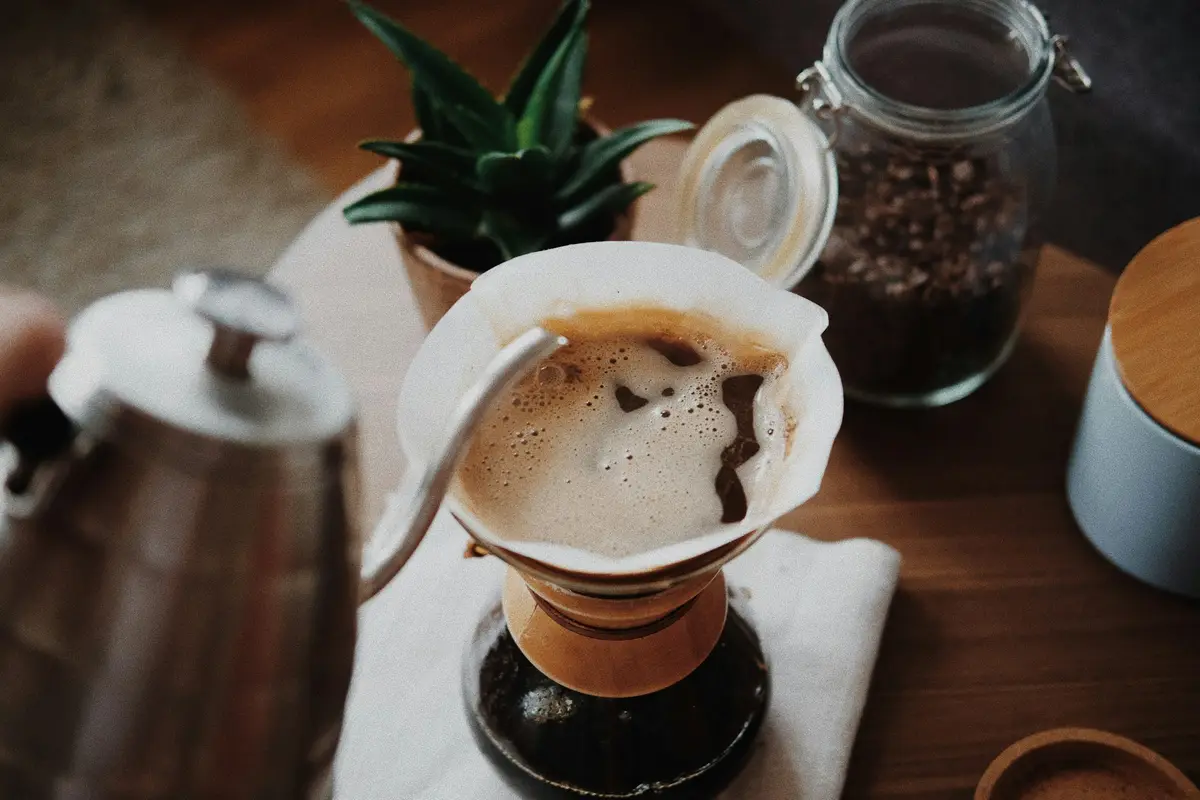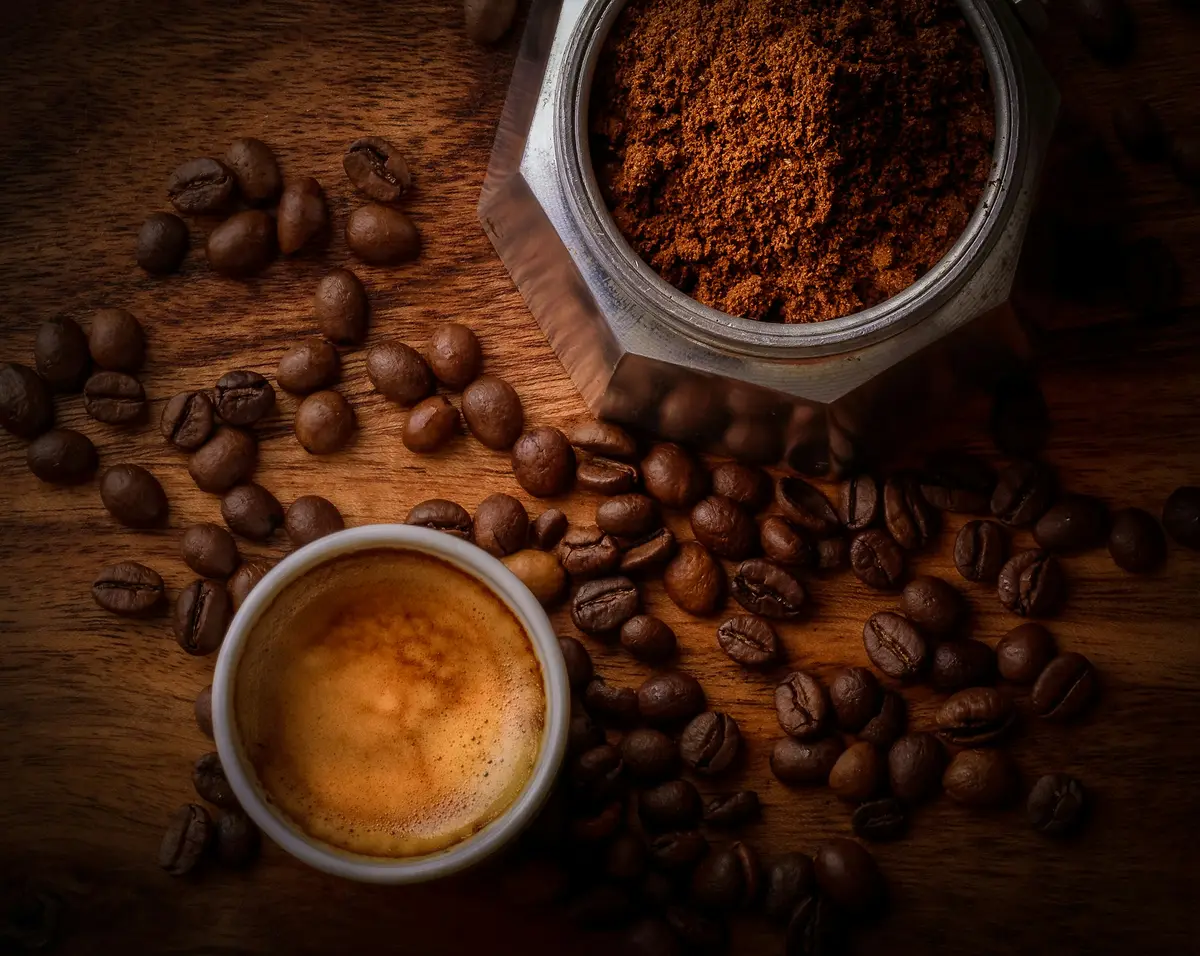
Espresso is far more concentrated than drip coffee, but a shot is small. So espresso has more caffeine per sip, while a mug of filter coffee usually has more caffeine overall.
| Drink | Typical serving | Approximate caffeine |
|---|---|---|
| Espresso, single shot | 30 ml / 1 oz | About 60–75 mg |
| Espresso, double shot | 60 ml / 2 oz | About 120–150 mg |
| Drip or filter coffee | 240 ml / 8 oz | About 80–120 mg |
| Cold brew (diluted) | 240 ml / 8 oz | About 100–200 mg |
| Instant coffee | 240 ml / 8 oz | About 60–80 mg |
These are typical ranges; the real figure varies with the bean, roast, dose and brew method.
What changes the amount
- Dose: more coffee means more caffeine. A double shot has roughly twice a single.
- Bean type: robusta beans contain roughly twice the caffeine of arabica.
- Brew time: longer contact, as in cold brew, can extract more caffeine.
- Roast: by weight, light and dark roasts have similar caffeine; a scoop of light roast holds slightly more because the beans are denser.
What about lattes and cappuccinos?
Milk adds no caffeine, so a latte has the same caffeine as the espresso in it: usually one or two shots.
Know your drinks:Espresso drinks explained