Kettle & Crema is reader-supported. As an Amazon Associate I earn from qualifying purchases. It costs you nothing extra. How this works.
A manual espresso maker uses your arm instead of a pump. You add hot water, pull a lever, and watch the pressure build. With a good grinder, the best of them make espresso to rival machines costing several times as much, and they are quiet, compact and nearly unbreakable.
The trade-offs: you make one shot at a time, by hand, and there is no steam wand, so milk drinks need a separate frother. For people who love straight espresso and the ritual of making it, nothing else gives as much control for the money.
Who this guide is for
People who want real espresso without a pump or boiler, and enjoy a hands-on ritual.
Reaches full espresso pressure with you in control.
Built to last: metal construction and replaceable seals.
A realistic routine for daily use.
We compare manufacturers’ published specifications, warranty and spare-part support, independent certifications where they exist, and the problems that come up again and again in owner reviews. Every pick states who should skip it.
No brand pays for a place here and we accept no free products. We earn a commission if you buy through our links, which never changes the price you pay. How we research
The picks in detail
01
Best overall
Flair 58
Flair · Premium
A lever espresso maker that rivals far more expensive machines in the cup. It uses a standard 58 mm group, the café size, so it takes standard baskets and tampers, and an electric preheat controller warms the brew head so you are not fighting to keep the temperature up. A pressure gauge lets you watch and shape every shot by hand. It makes espresso only: milk needs a separate steamer or frother.
The cheapest way into real lever espresso. A flow-control portafilter builds pressure for you, so it works with pre-ground coffee or a basic grinder; a second, bottomless basket is there for when you upgrade your grinder. Newer versions come with a carrying case, which makes it a good travel espresso maker too.
A sturdy, retro-styled lever espresso maker with no electronics at all. It uses commercial-size 58 mm baskets and two big arms that give you smooth control of pressure, and its simple design is almost indestructible. The Barista version adds a pressure gauge. As with any lever maker, milk needs a separate frother.
The portable for espresso enthusiasts. It uses a standard 52 mm unpressurised basket, like a café machine, so with fresh beans and a fine grinder it makes espresso that rivals a home machine. That also means it is less forgiving: pair it with a hand grinder that can grind for espresso.
Espresso needs hot water and a hot brew chamber. Basic lever makers rely on you preheating the parts with boiling water. Heated models keep the temperature stable with much less fuss.
Basket size
Standard 58 mm baskets fit common café accessories such as tampers, puck screens and distribution tools. Smaller proprietary baskets limit your options.
Pressure gauge
A gauge shows the pressure you are applying, which helps enormously while learning and lets you repeat a good shot.
The grinder matters more
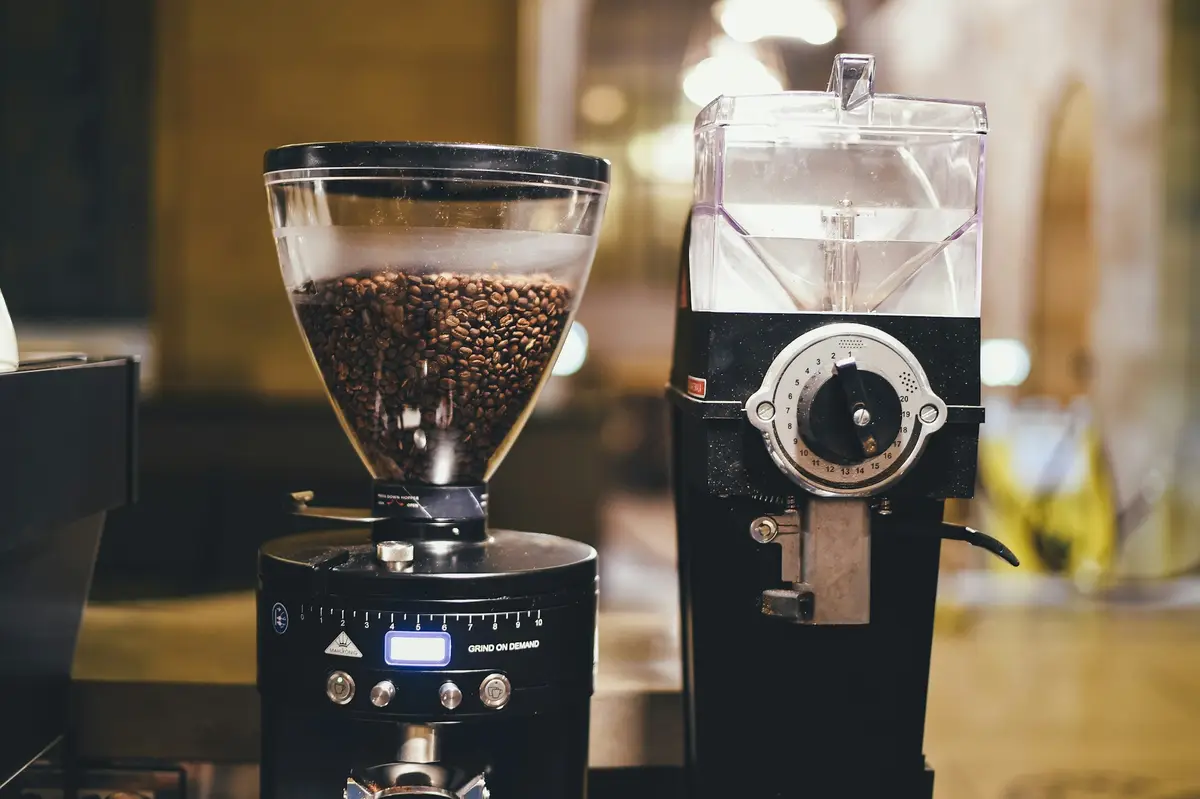
Lever makers reward fine, consistent grinding. Unless the maker has a pressurised basket, budget for an espresso-capable grinder.
Frequently asked questions
Do manual espresso makers make real espresso?
Yes. Good lever makers reach the 6–9 bar of pressure used for espresso and produce genuine shots with crema.
Can I make lattes with a manual espresso maker?
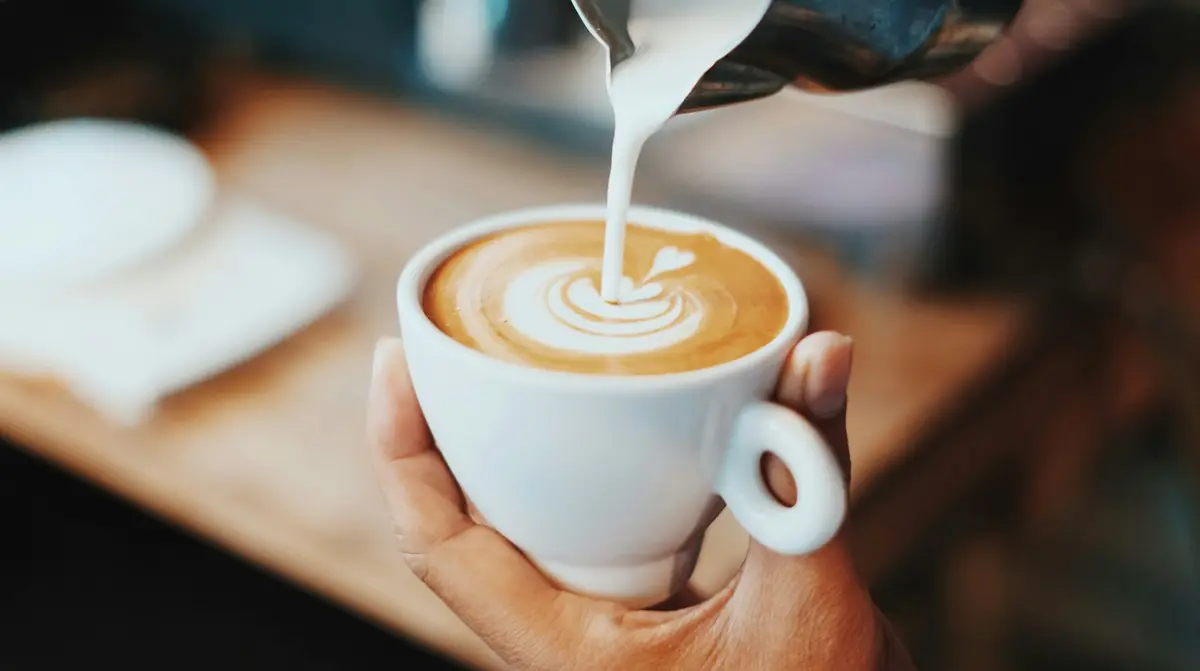
Yes, but you need a separate way to steam or froth milk, such as an automatic frother or a fine-mesh handheld frother.
Are lever espresso makers hard to use?
They take some practice, like any espresso method. Models with a pressurised basket are the most forgiving; a pressure gauge makes learning much faster.