The cheapest espresso machines worth buying, from a basic pump machine to a hand lever and a capsule machine, with honest advice on what a low budget can and cannot do.
By the Kettle & Crema team · Updated November 18, 2026 · How we research
Kettle & Crema is reader-supported. As an Amazon Associate I earn from qualifying purchases. It costs you nothing extra. How this works.
A cheap espresso machine can make a good latte. What it cannot do is make up for stale, pre-ground coffee and a fiddly routine, so the machines worth buying on a budget are the ones that forgive both. Pressurised baskets, quick heat-up and simple controls matter more here than bar ratings or stainless trim.
We compared the specifications, spare-parts support and owner feedback of the low-cost machines people actually buy, and kept the five that give the most for the money. One of them costs noticeably more: it is here because many buyers would be better off saving a little longer for it.
Who this guide is for
Anyone who wants espresso and milk drinks at home for as little as possible, or who wants to find out whether espresso is for them before spending more. If you already know you will make espresso daily for years, our beginners guide is a better place to start.
Real espresso or a close capsule equivalent: a pump, a lever, or a capsule system that brews under pressure.
Forgiving with pre-ground coffee or an inexpensive grinder, because most budget buyers start there.
Sold by an established brand with spare parts and support, not an unbranded import.
Owner feedback that points to years of use rather than months, with regular descaling.
We compare manufacturers’ published specifications, warranty and spare-part support, independent certifications where they exist, and the problems that come up again and again in owner reviews. Every pick states who should skip it.
No brand pays for a place here and we accept no free products. We earn a commission if you buy through our links, which never changes the price you pay. How we research
The cheapest way into real pump espresso that we are comfortable recommending. The Stilosa has a 15-bar pump and a manual steam wand, and its pressurised baskets forgive pre-ground coffee and inexpensive grinders. It will not match the machines above for consistency, but it will make a proper latte and tell you whether this hobby is for you before you spend more.
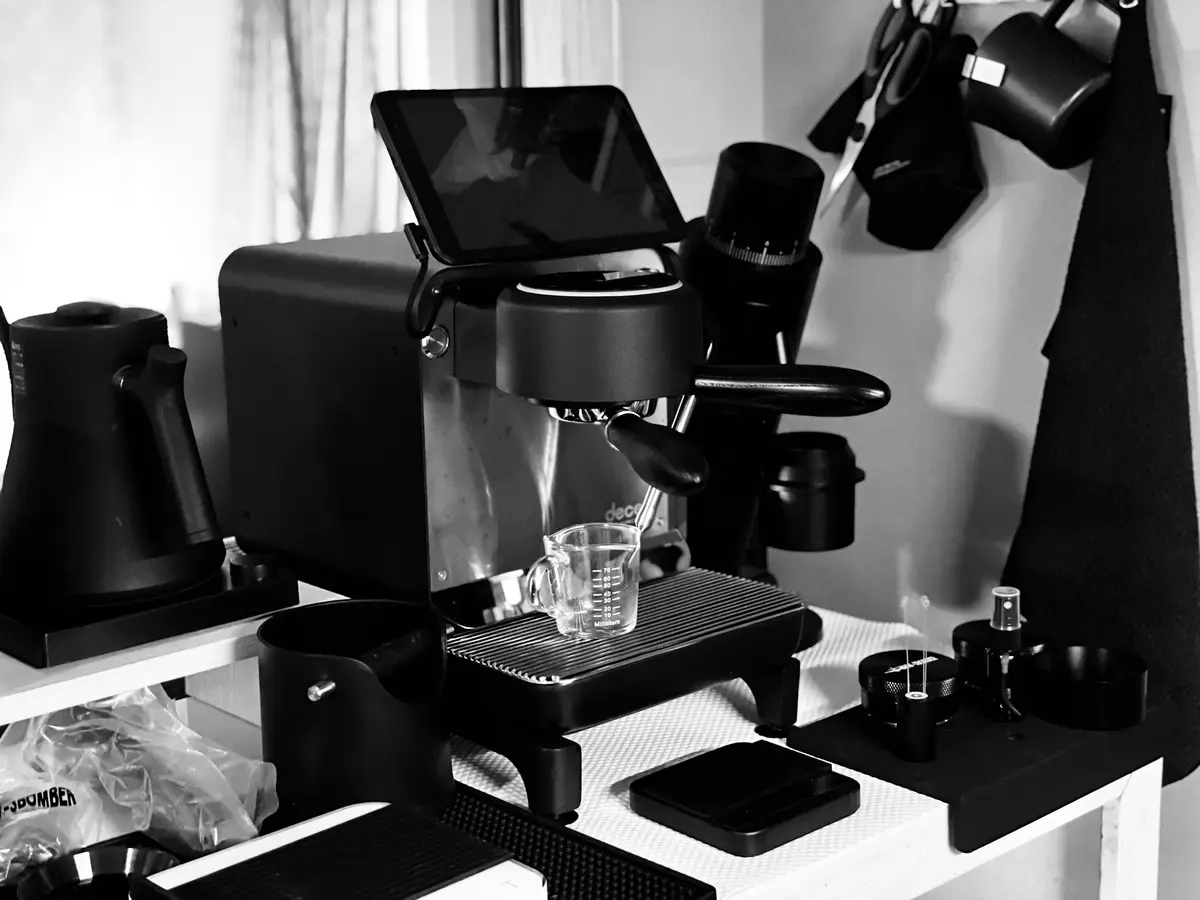
At roughly 15 cm (6 in) wide, the Dedica fits where nothing else will: studio flats, galley kitchens, the gap next to the toaster. It heats quickly, the metal body feels more expensive than it is, and the steam wand copes with a cappuccino or two. Like the Stilosa it uses pressurised baskets, so it flatters cheap grinders but caps how good the espresso can get.
The cheapest way into real lever espresso. A flow-control portafilter builds pressure for you, so it works with pre-ground coffee or a basic grinder; a second, bottomless basket is there for when you upgrade your grinder. Newer versions come with a carrying case, which makes it a good travel espresso maker too.
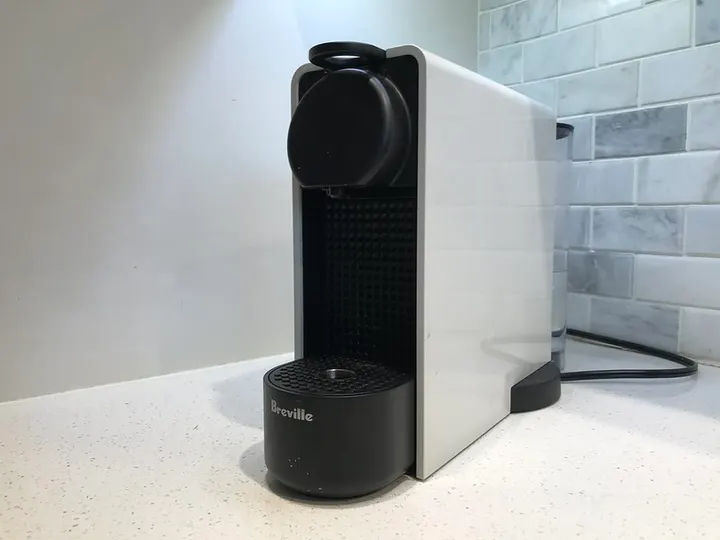
The smallest and cheapest route to a decent espresso at the touch of a button. It uses Original-line capsules, which are sold by dozens of roasters at every price, so you are not locked in. Two buttons, two sizes, done.
The machine we point most first-time buyers to. Breville rates its heating system at three seconds from cold to brewing temperature, it holds that temperature steadily, and the automatic steam wand textures milk to a set temperature and foam level while you do something else. It is also barely wider than a kettle. You will need a separate grinder, which is the right way round: the grinder matters more than the machine.
Many cost less than the Stilosa, but spare parts, service and long-term reliability information are hard to find.
Wacaco Picopresso
It makes excellent espresso, but it uses an unpressurised basket that needs a fine grinder, which pushes the real cost beyond a budget setup. It is in our portable espresso guide.
Gaggia Classic Evo Pro
A machine to keep for decades, but it costs well above budget and needs a capable grinder. It is in our beginners and enthusiasts guides.
How to choose
Pressurised baskets are your friend
Budget machines use pressurised (dual-wall) filter baskets that build resistance artificially. They work with supermarket ground coffee and inexpensive grinders, which is exactly what most people start with. The coffee is less nuanced than espresso from an unpressurised basket and a fine grinder, but it makes a perfectly good milk drink.
Count the grinder in your budget
If you plan to grind fresh beans, the grinder matters as much as the machine. A cheap machine with pressurised baskets is fine with a modest burr grinder. A machine with unpressurised baskets, like the Bambino Plus, needs a grinder that can grind fine for espresso, and that can cost as much as the machine.
Decide how you will make milk
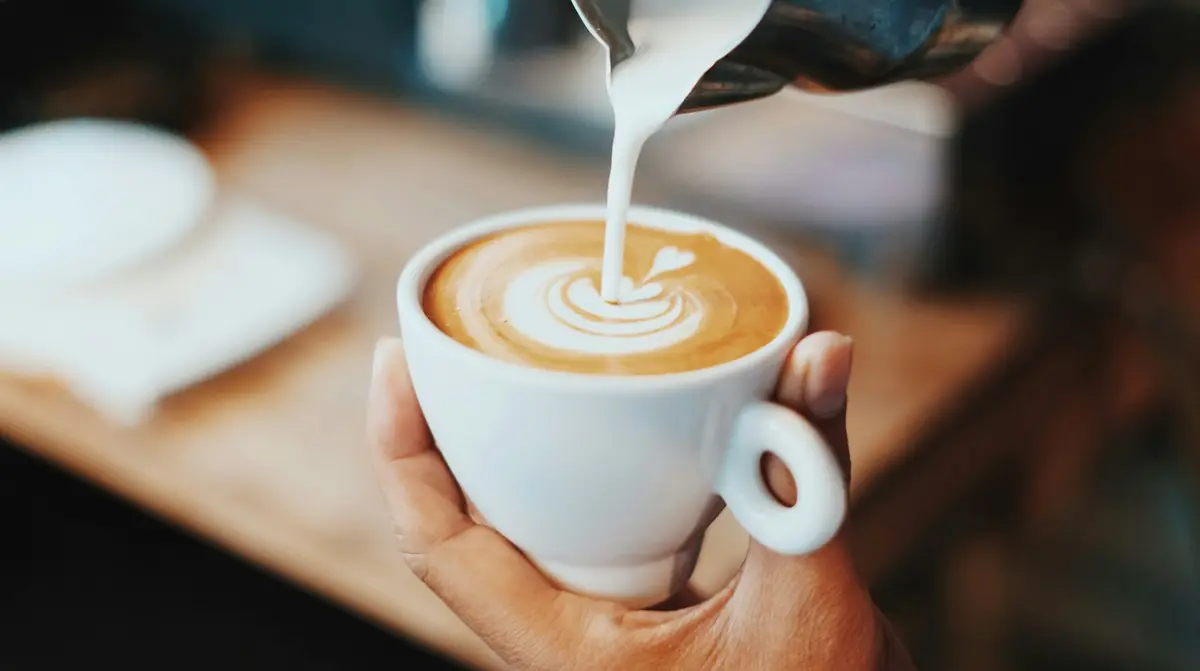
Most budget machines have a simple steam wand that takes practice. If you mostly drink lattes and want the milk done for you, either save for a machine with an automatic wand or pair a capsule machine with a separate electric milk frother.
Ignore the bar number
Boxes advertise 15, 19 or 20 bar. Espresso is brewed at about 9 bar, and the larger figure is only the pump’s maximum. It tells you nothing about how good the coffee will be.
Frequently asked questions
Can a cheap espresso machine make real espresso?
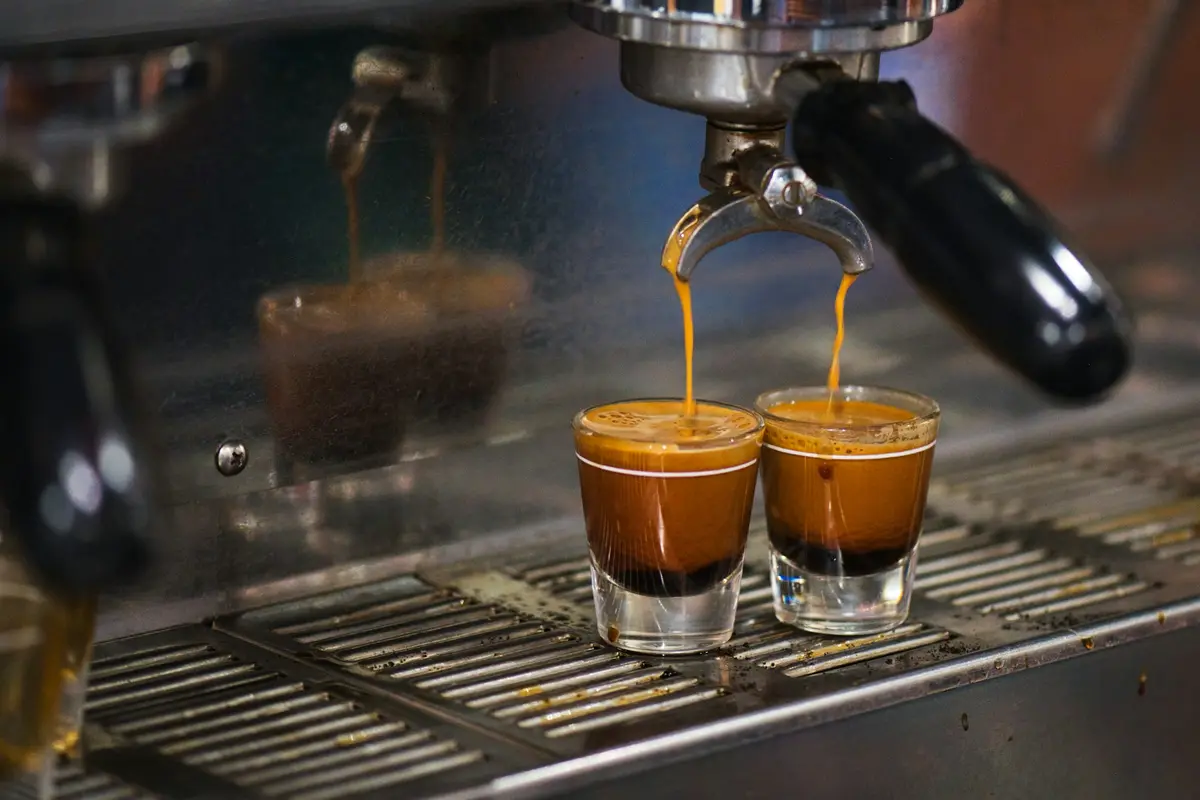
Yes, within limits. A budget pump machine forces hot water through finely ground coffee under pressure, which is what espresso is. With pressurised baskets the result is thinner and less complex than café espresso, but under milk the difference is small.
Is a capsule machine a good budget alternative?
If convenience matters most, yes. A Nespresso Original machine costs little to buy and needs no skill, though each capsule costs more than the same coffee bought as beans. Over a year of daily drinks, a pump machine and ground coffee is usually cheaper to run.
What is the cheapest way to make espresso at home?
A hand lever such as the Flair NEO Flex, or a moka pot if you will accept strong stovetop coffee rather than true espresso. Both cost less than most electric machines and last for years.
Do budget espresso machines last?
Simple machines with few electronics often last several years with regular descaling. Buy from a brand that sells spare parts, descale when the machine or manual asks, and avoid unbranded machines with no service support.